- /
Tampa First-Time Home Buyer Programs 2026 — Key Things You Must Know Before Applying
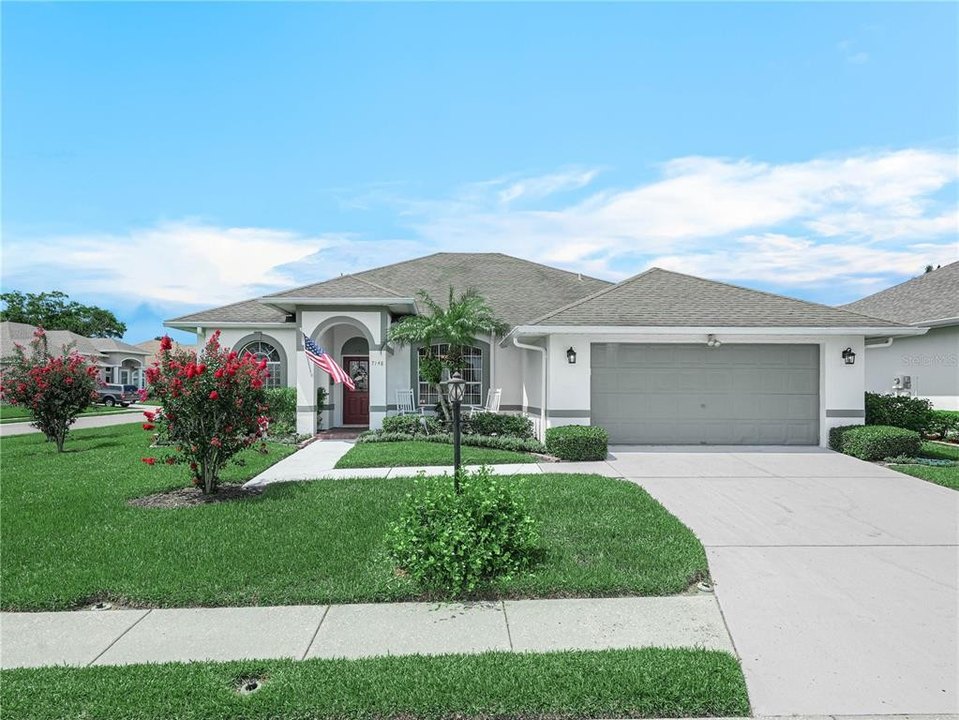
Recent Buyer Trends: First-Time Buyers Still Lead the Market
Recent data from Neighbors Bank shows that across 30 U.S. metros, first-time homebuyers still make up about 69% of all starter-home purchases (cited from Realtor.com), while investors account for roughly 31%. This means that even with competition and rising demand, well-prepared first-time buyers still have the upper hand—especially when using down-payment assistance to boost affordability. And because first-time buyers typically put down less (often 3.5%–10%), programs that help cover the upfront costs play an even bigger role in today’s market. In places like Tampa, where down payments and closing costs can be a major hurdle, assistance programs can be the difference between renting and owning. Meanwhile, areas like Ocala offer strong opportunities for buyers who combine state and county assistance with FHA, VA, USDA, or conventional loan options, making homeownership possible without massive savings upfront.
Check Your Credit Score Requirements
Your credit score doesn’t have to be perfect, but each program has minimums.
FHA Loans (Most Popular for First-Time Buyers)
-
Minimum score: 580 for 3.5% down
-
Tampa-area lenders often approve borrowers between 580–620
-
Great for buyers rebuilding credit
Florida Hometown Heroes Program
(Expected to continue/expand in 2026)
-
Minimum typically 640
-
Some lenders allow 620 depending on loan type
-
Benefit: Down payment + closing cost assistance
Florida First & Florida Assist Programs (Florida Housing)
-
Minimum usually 640
-
Must meet income & purchase price limits
How to Prepare
-
Pay down credit cards below 30% usage
-
Avoid opening new accounts
-
Keep on-time payments for at least 6 months
-
Use a lender’s credit analyzer tool to map out fast improvements
Understand Income Limits (This Is Where Most People Get Stuck)
Every program uses different income limits, and Tampa has county-specific rules (Hillsborough, Pinellas, Pasco).
Florida Hometown Heroes Income Limits (Projected 2026)
-
Adjusted each year
-
Varies by household size
-
Meant to support working Floridians, not just “low income” buyers
Florida Housing Programs
-
Florida First
-
Florida Assist
-
Salute Our Soldiers (VA buyers)
These programs use the Area Median Income (AMI) to determine eligibility.
Why Income Limits Matter
-
Go $1 over the limit → program is denied
-
Lenders verify ALL income: W2, 1099, overtime, bonuses, child support (if used), side income
How to Prepare
-
Gather 2 years of W2s or 1099s
-
Have your last 30 days of pay stubs
-
Show 2 years of tax returns if self-employed
-
Avoid major income changes until after closing
Know Your Debt-to-Income Ratio (DTI)
Programs use DTI to make sure you can afford the mortgage.
Typical Requirements
-
FHA usually allows up to 56.99% depending on credit
-
Conventional DPA programs prefer 45% or lower
-
Florida Housing programs often cap around 50%
What This Means for You
Lenders look at:
-
Car loans
-
Student loans
-
Credit cards
-
Personal loans
-
Child support/alimony
-
New construction payments (if applicable)
Quick Ways to Improve DTI Before Applying
-
Pay off small debt balances
-
Refinance high-interest loans
-
Avoid new debts for 3–6 months
-
Consider consolidating credit card debt
-
Add a co-borrower if reasonable
Down Payment & Closing Cost Requirements
Many Tampa programs help cover the upfront costs of buying.
Florida Hometown Heroes (2026 Expected Perks)
-
Assistance for down payment + closing costs
-
Can be used for:
-
Appraisal
-
Title fees
-
Prepaids (insurance, taxes)
-
Interest rate buydowns
-
City of Tampa (Dare to Own the Dream Program)
-
Up to $50,000 in assistance for qualifying buyers
-
Must buy within Tampa city limits
-
Must complete a homebuyer education course
Other Local Options
-
Pinellas County SHIP
-
Pasco County SHIP
-
Nonprofit programs (e.g., NACA)
How to Prepare
-
Save at least $1,000–$3,000 to cover minor costs
-
Keep funds seasoned for 60 days
-
Avoid cash deposits — they need a paper trail
Complete a Homebuyer Education Course
Almost all assistance programs require a certified class.
Accepted Courses
-
HUD-approved counseling
-
Florida Housing certified providers
-
Online and in-person options
Why This Matters
It:
-
Walks you through budgeting
-
Helps you understand the mortgage
-
Is required before closing
-
Gives you a certificate valid for 1+ years
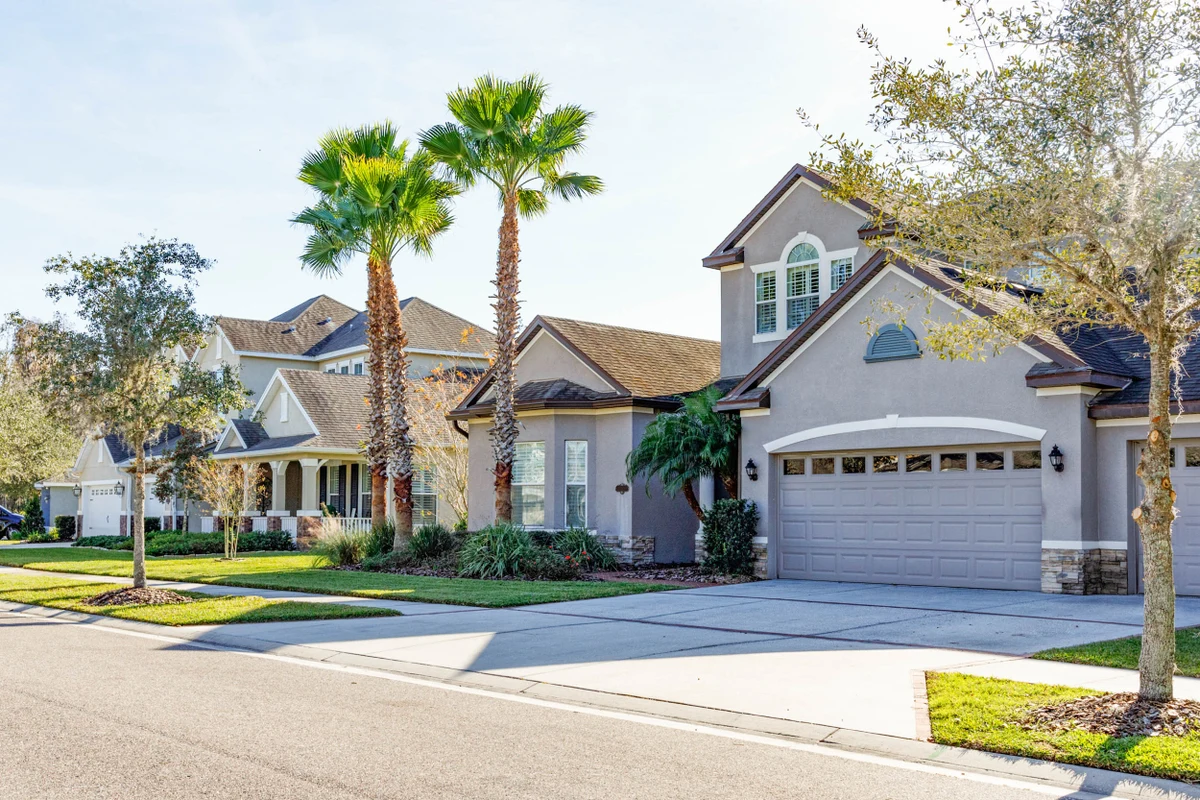
Choose the Right Property Type (Not All Homes Qualify)
Eligible Homes
-
Single-family homes
-
Townhomes
-
Condos (must be approved)
-
Some new construction
-
Duplex (if you will live in one unit)
Not Eligible
-
Investment properties
-
Airbnbs
-
Properties in disrepair (fail FHA/VA appraisal)
If the home needs major repairs (roof, electrical, plumbing), it may not qualify unless you use a renovation loan.
Have Stable Employment History
Most programs require at least:
Employment Requirements
-
2 years work history (not always same job)
-
Gaps under 6 months are usually okay
-
Self-employed buyers need 2 years tax returns
Tips
-
Don’t change jobs during the loan process
-
If you must change jobs, stay in the same industry
Be Prepared for Appraisal, Insurance, and Inspection Rules
Florida homes have unique requirements:
Appraisals
Homes must meet safety + quality standards.
Insurance
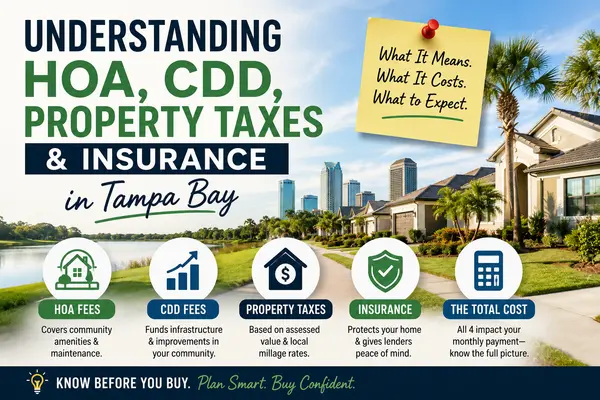
Florida insurance is higher due to hurricanes.
Lenders may require:
-
Wind policy
-
Flood insurance (depending on zone)
Inspections
You should check for:
-
Roof age
-
Electrical panel type
-
Plumbing system
-
HVAC age
-
Any settlement/cracking
Summary — What First-Time Buyers Need to Do for 2026 Programs
Here’s your quick checklist:
-
✓ Keep your credit score 640+
-
✓ Meet income limits for your household
-
✓ Keep DTI under 45–50%
-
✓ Save at least $1,000–$3,000
-
✓ Get 2 years of job history
-
✓ Complete homebuyer education
-
✓ Choose a property that meets program rules
-
✓ Avoid new debt while applying
-
✓ Collect W2s, tax returns, and bank statements
Recent Posts